How Pre-Settlement Funding Helps Premises Liability Victims
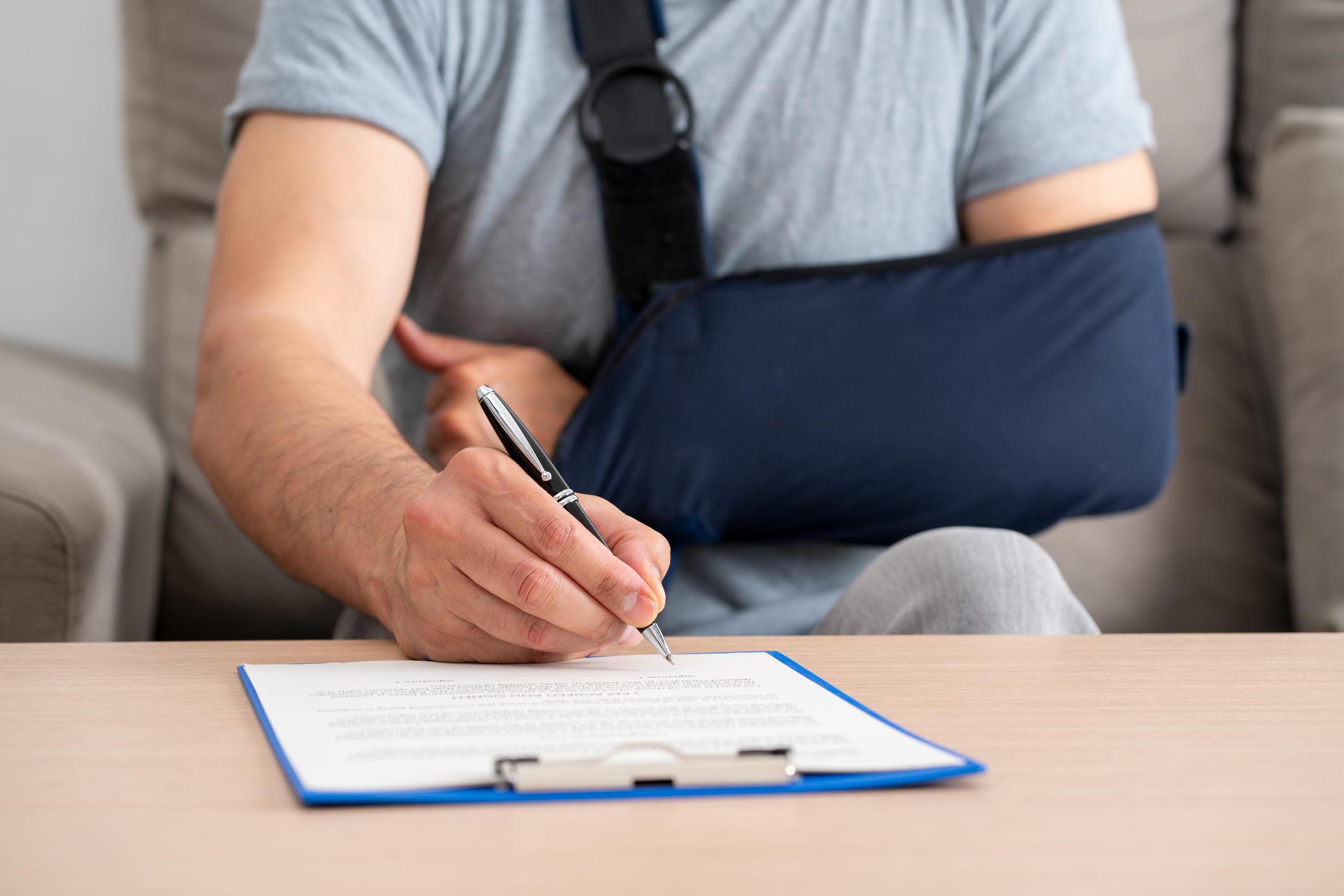
Premises liability claims can take months or even years to resolve, leaving injured individuals facing financial hardship in the meantime. Pre-settlement funding offers a financial bridge during this period, helping victims manage daily expenses while their legal case moves forward:
- Covers urgent financial needs: Provides cash to help pay for medical bills, rent, groceries, utilities, and other living expenses while the case is pending, offering relief during a period when the victim may be unable to work.
- Reduces pressure to settle early: Eases financial stress, so victims are less likely to accept early, low-value settlement offers from insurance companies made before the full extent of their injuries is known.
- Supports stronger legal outcomes: Provides attorneys with the time and flexibility to thoroughly investigate the incident, gather expert testimony, and negotiate from a position of strength, which may result in a higher settlement.
Who Can File a Premises Liability Claim?
Eligibility to file a premises liability claim varies by state. Generally, individuals who are lawfully on the property, such as guests, tenants, customers, contractors, or delivery workers, may pursue a claim if they are injured due to unsafe conditions. These individuals are legally classified as invitees or licensees, depending on the reason for their presence on the property.
Invitees typically include customers or others entering for the property owner’s benefit, while licensees may include social guests or others entering for their own purposes with permission. Both groups may bring a claim if they are injured due to the owner’s failure to maintain reasonably safe conditions.
Trespassers, however, are not generally permitted to file a premises liability claim. Some states allow limited exceptions, for example, when a property owner knows or should reasonably expect that people often trespass in a particular area, and a concealed, dangerous condition causes injury.
Apply for Pre-Settlement Funding Today
Common Types of Premises Liability Cases
The most common types of premises liability arise from the following:
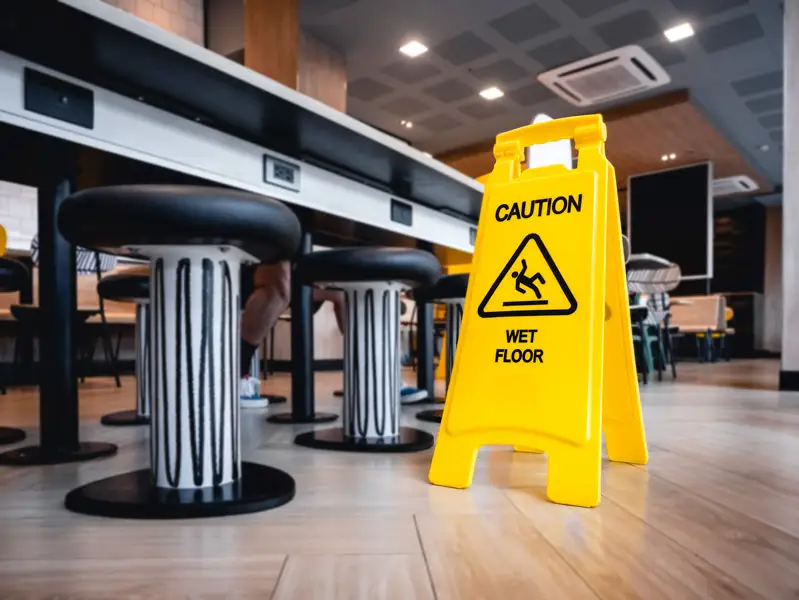
- Slip and Fall Accidents: These are among the most frequent premises liability claims. They often result from wet or slippery floors, uneven sidewalks, loose carpeting, poor lighting, or a lack of warning signs. Property owners may be liable if they fail to correct or warn about these hazards.
- Retail Store and Restaurant Accidents: Customers can be injured by spills, cluttered walkways, unsecured rugs, or broken flooring. Business owners have a legal duty to maintain a safe environment on their premises and to inspect for and promptly address any hazardous conditions.
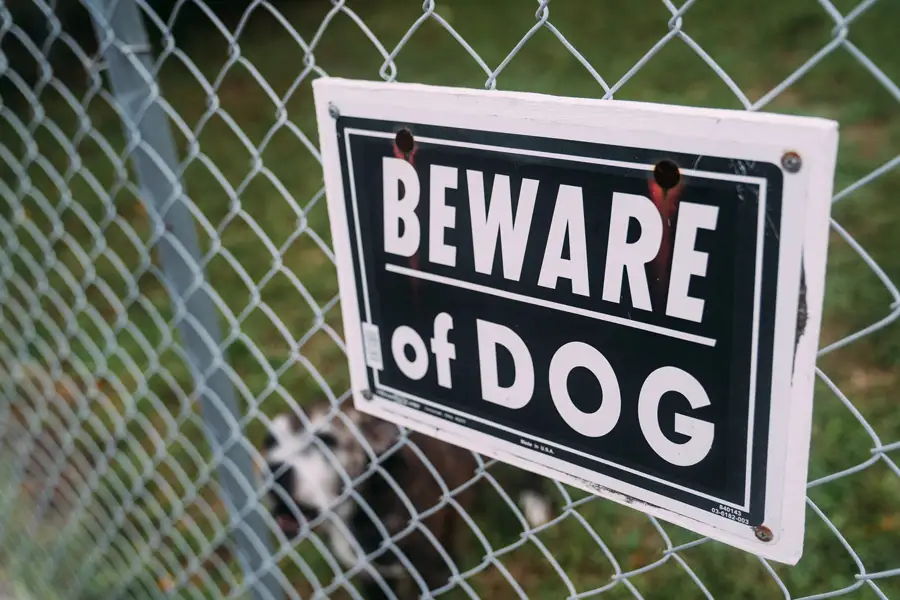
- Dog or Animal Attacks: Property owners can be held liable if their pets bite or attack someone, especially if the animal was known to be aggressive or was not properly restrained. These cases often fall under both premises liability and specific state dog bite laws.
- Swimming Pool Accidents: Drownings and serious injuries may occur due to inadequate fencing, broken gates, lack of supervision, or slippery pool decks. Property owners, especially at hotels, apartment complexes, or private residences, must follow strict safety guidelines to prevent accidents.
- Negligent Security Claims: If someone is assaulted or robbed on another person’s property due to a lack of reasonable security—such as broken locks, poor lighting, or no security personnel—the property owner may be held liable. This is common in apartment buildings, hotels, and parking lots.
- Defective Conditions or Poor Maintenance: Injuries may result from broken stairs, collapsing ceilings, malfunctioning elevators or escalators, and other structural defects. Property owners are responsible for routine maintenance and timely repairs to keep their premises safe for lawful visitors.
How Long Do Premises Liability Cases Take to Settle?
Premises liability cases are rarely resolved quickly, often due to several factors:
- Liability may be contested by the property owner or their insurance company.
- Multiple parties, such as property managers, contractors, or business owners, may be involved.
- Medical records and expert testimony are typically necessary to prove the extent of the injury and establish causation.
Most cases settle within 12 to 18 months; however, more complex claims can take two years or longer to resolve. Insurance companies may use delay tactics, knowing that prolonged financial pressure can push injured parties to accept a lower settlement. While pre-settlement funding cannot accelerate the legal process, it can provide critical financial support.